

Thoughtful furniture arrangement not only maximizes space utilization and creates a sense of order, but also allows you to curate a unique personal home style, showcasing a refined aesthetic sensibility and taste. To achieve both functional efficiency and visual harmony—creating a space that feels clearly defined, well-organized, and fluid—careful furniture selection and strategic traffic flow design are absolutely essential.
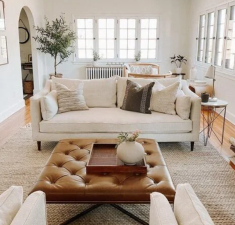
Living Room
Key Furniture Components: Sofa, Armchair, Coffee Table, TV Cabinet
The placement of armchairs is relatively flexible; they can be positioned on either the left or right side. However, when placing them, be sure to avoid obstructing the main entrance to the living area, as this would disrupt the natural flow of movement.
In smaller living rooms, the sofa is typically placed against a wall. In larger, wide-span living rooms—or open-plan spaces where the living and dining areas are combined—the sofa can be positioned in the center of the room to serve as a spatial divider. This arrangement, guided by the room's functional requirements and the family's lifestyle habits, creates a visual separation that remains fluid and open, ensuring spatial harmony and adding a sense of layered depth to the room.
For living rooms with a relatively shallow vertical depth, a rectangular coffee table is recommended. The coffee table should not be excessively large; if space is particularly limited, a side table placed next to the sofa or armchair can serve as a practical alternative.
Ensure that the walkways between the sofa and the coffee table—as well as between the coffee table and the TV cabinet—are no less than 55 cm wide. When selecting furniture, it is crucial to carefully monitor dimensions to guarantee that movement remains unhindered once the pieces are in place.
A key objective in living room arrangement is to create a sense of spaciousness. Regardless of whether the room is large or small, one must avoid overcrowding the space with too much furniture—especially in smaller apartments—to ensure that ample room remains for comfortable movement.
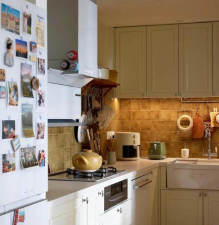
Dining Room
Key Furniture Components: Dining Table, Dining Chairs, Sideboard/Buffet Cabinet
The sideboard should be placed against a wall; once the sideboard's position is established, proceed to arrange the dining table and chairs. Pay close attention to the clearance required between the sideboard and the dining table when opening cabinet doors or drawers; there should be a minimum depth of 70 cm between the edge of the table and the wall.
The dining table and chairs should be arranged symmetrically. Symmetrical placement is the most effective method for conserving space and conveying a sense of order, while also maximizing the efficient use of the room. When positioning dining chairs, be mindful of the clearance required when a chair is pulled out; ensure that sufficient open space is left to accommodate movement and circulation as needed.
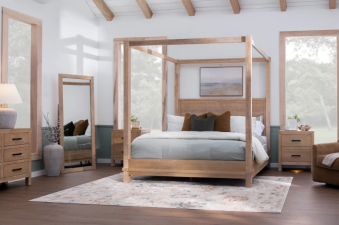
Bedroom
Key Furniture Components: Wardrobe, Bed, Chest of Drawers
Begin by observing the structural layout of the room to identify and determine the central focal point or activity hub of the space. Carefully consider the main circulation paths that traverse the entire home before placing furniture, ensuring that normal indoor movement is not obstructed.
Effective circulation design—or "flow"—is crucial, particularly regarding the spacing between the bed and the wardrobe. For wardrobes with hinged doors, a clearance of approximately 1.5 meters from the bed is recommended; for sliding-door wardrobes, about 1 meter suffices. This spacing ensures adequate room for retrieving clothing and for easy passage.
Avoid placing tall, vertical chests of drawers directly at the foot of the bed; if placement at the foot of the bed is unavoidable, opt for a slim-profile model. If you intend to place a television atop the chest, a cabinet height of approximately 90 cm is recommended.
Position the bed so that it does not face the door directly; this prevents outsiders from having an unobstructed view into the room, thereby preserving privacy and a sense of security, while also ensuring a restful environment.
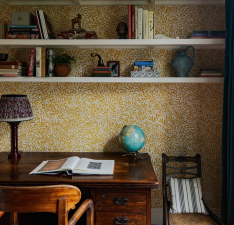
The Study
Key Furniture Components: Bookshelves, Desk, Chair
First and foremost, the study requires ample lighting and proper ventilation. Therefore, it is advisable to position the desk and reading chair near a window.
Large bookshelves should be placed against the walls to maximize space efficiency. For studies with irregular layouts, custom-built shelving is recommended; by tailoring the units to the specific contours of the room, you can achieve an optimal and harmonious spatial arrangement.
As the study is a relatively private space, avoid overcrowding it with seating; aim to keep the room tidy and spacious. If you wish to include a sofa in the study, opt for a single-seater armchair and align it parallel to the main circulation path to ensure unimpeded movement.
Conclusion
Thoughtful furniture arrangement is a vital strategy for enhancing the quality of your living environment. By carefully planning your layout, selecting appropriately sized pieces, maintaining a cohesive aesthetic style, prioritizing functionality, and incorporating personalized decorative accents, you can create a home that is simultaneously comfortable, practical, and visually appealing. Let us begin with the art of furniture arrangement to craft a warm, high-quality living space for ourselves and our families.